
01Rasayana
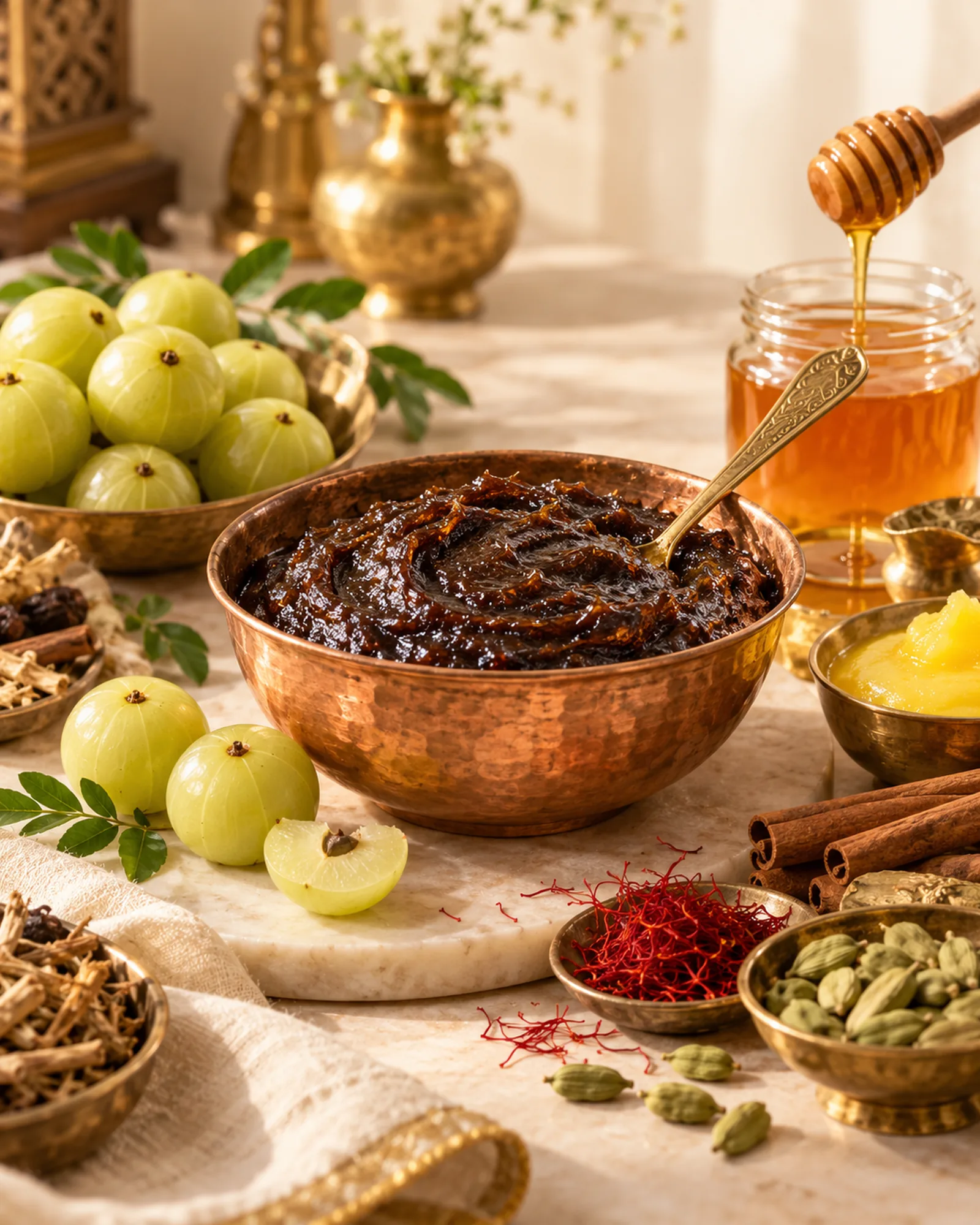
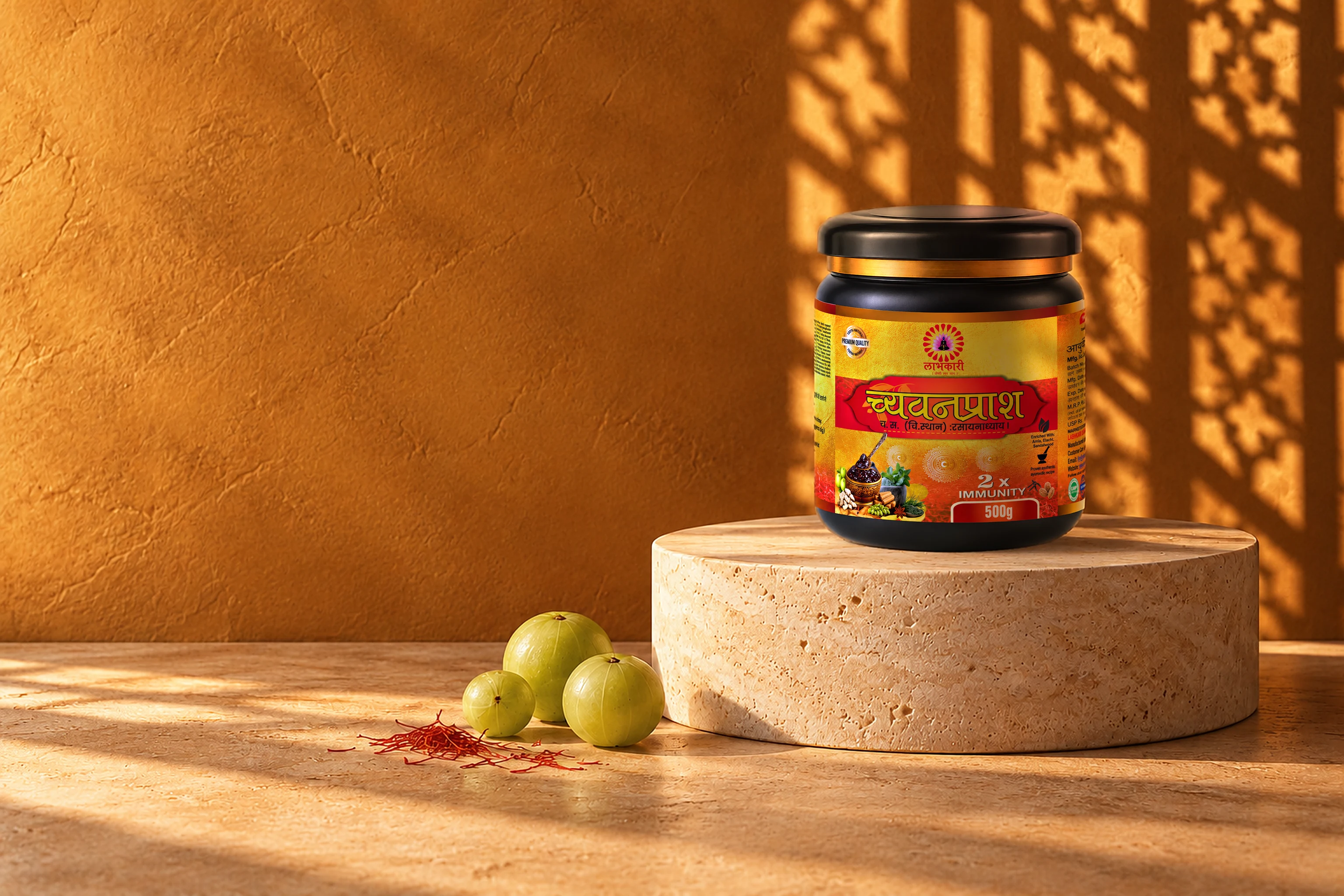
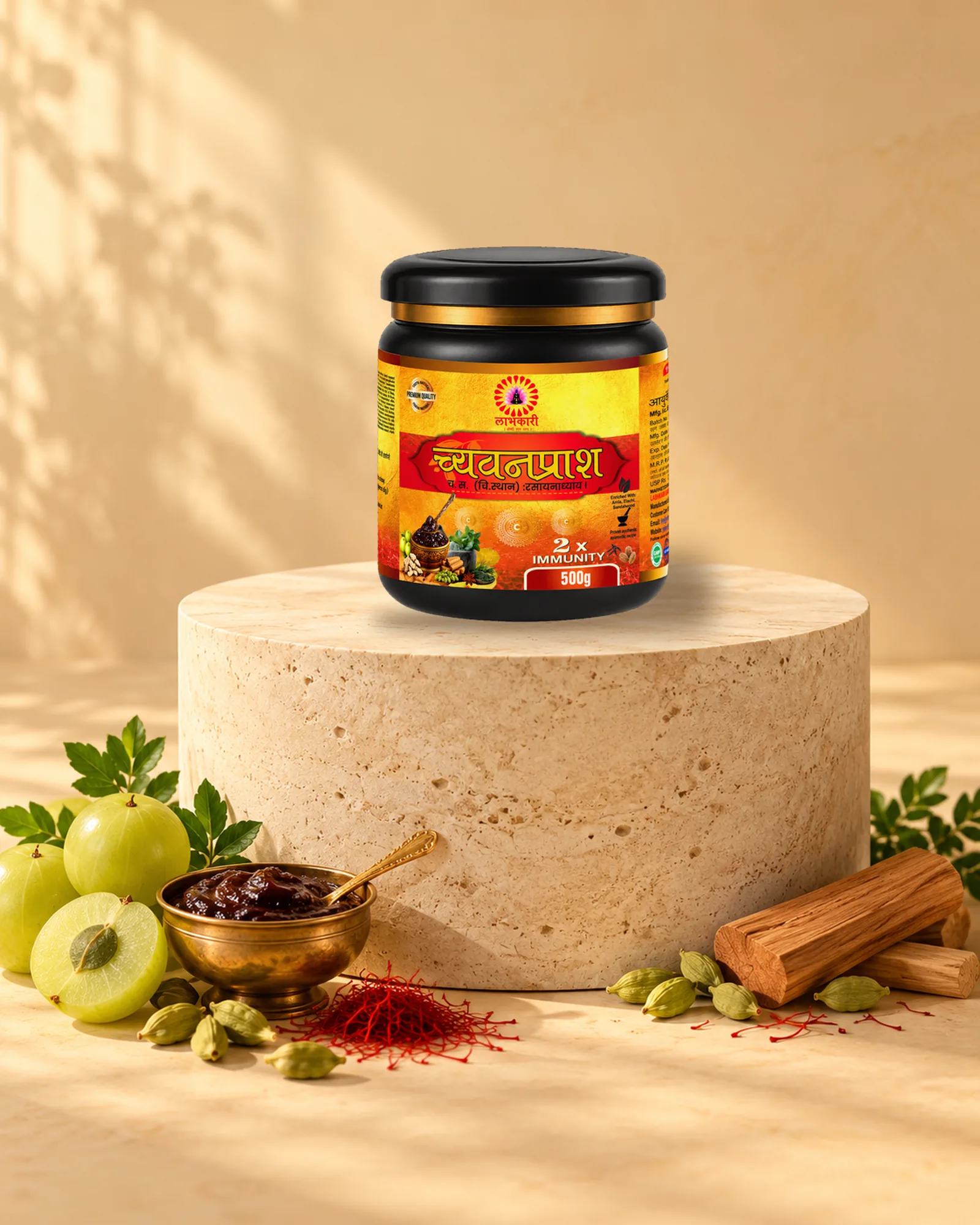
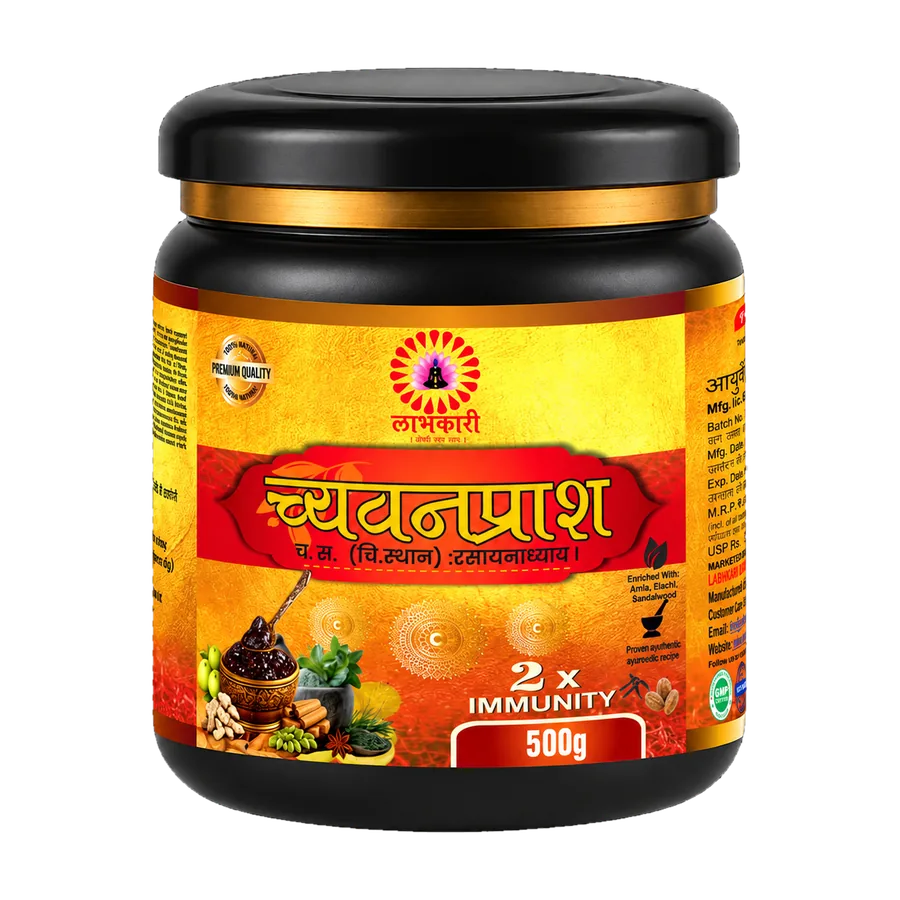
Chyawanprash
500 g jar
A classical amla Rasayana, prepared to the Charaka Samhita recipe. A spoonful morning and evening.
01Rasayana
500 g jar
A classical amla Rasayana, prepared to the Charaka Samhita recipe. A spoonful morning and evening.
लाभकारी
Our motto, jīvema śaradaḥ śatam, comes from a Vedic prayer for a long and healthy life: "may we live a hundred autumns". We make Ayurvedic and personal-care products for that kind of slow, everyday care, and we tell you plainly what's in them.
Six ranges for everyday care.
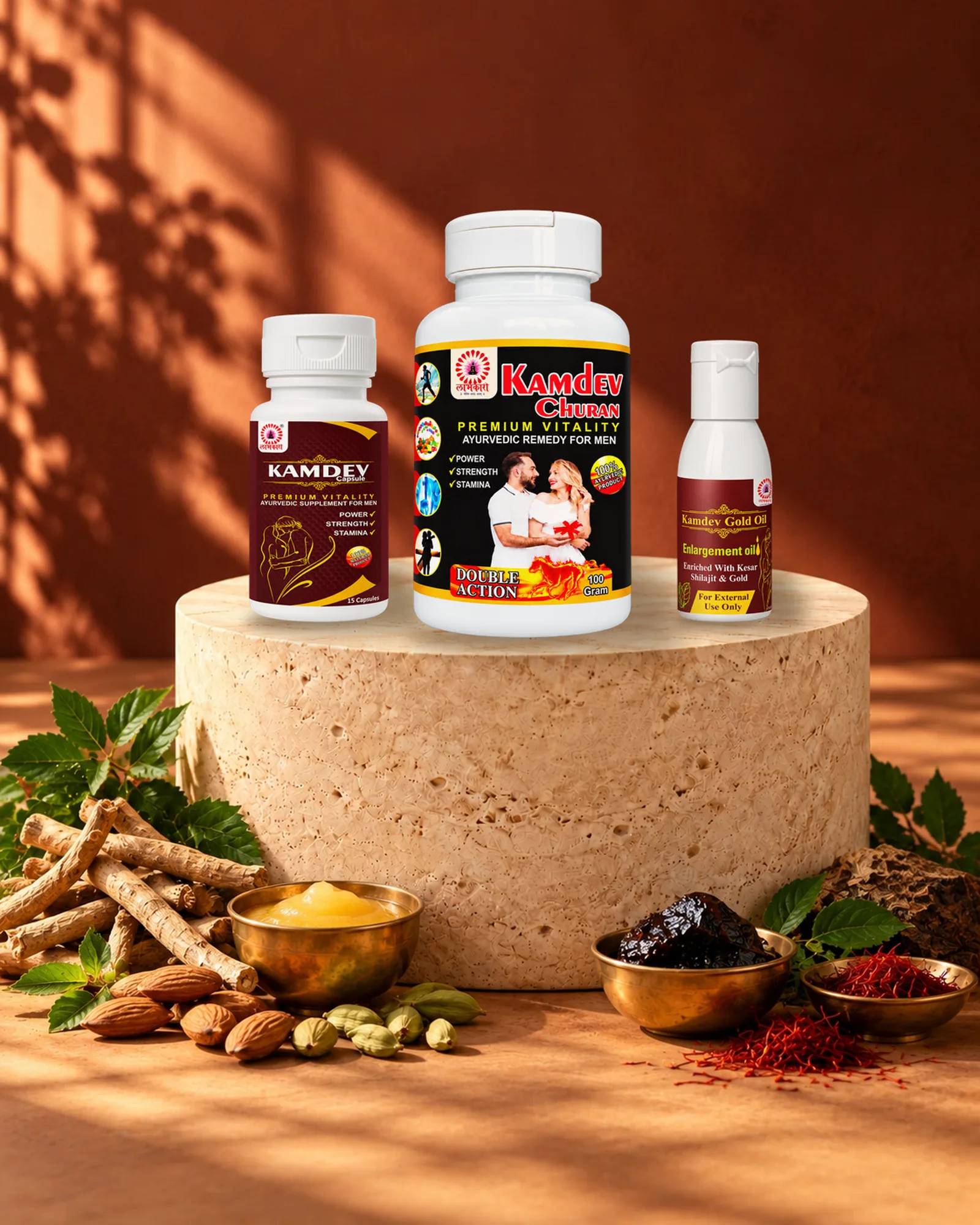
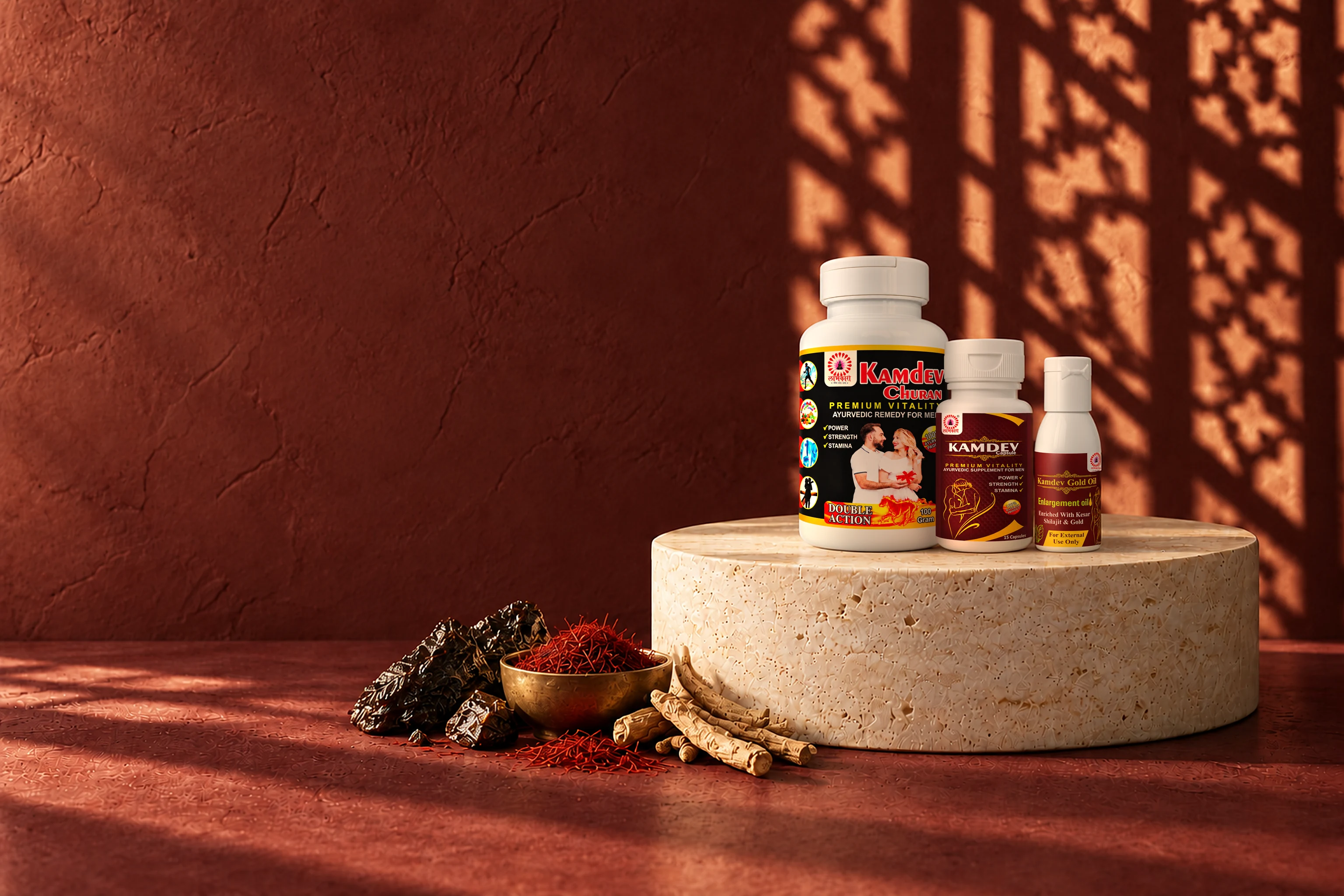
Ayurvedic formulations for men.
Every label, how to use it, and when to ask a doctor first.
Shop all 12 productsDinacharya
Drag the sun, or pick a moment. Each one is a small habit from the classical daily routine, and what we make for it.
Dawn, 6:00
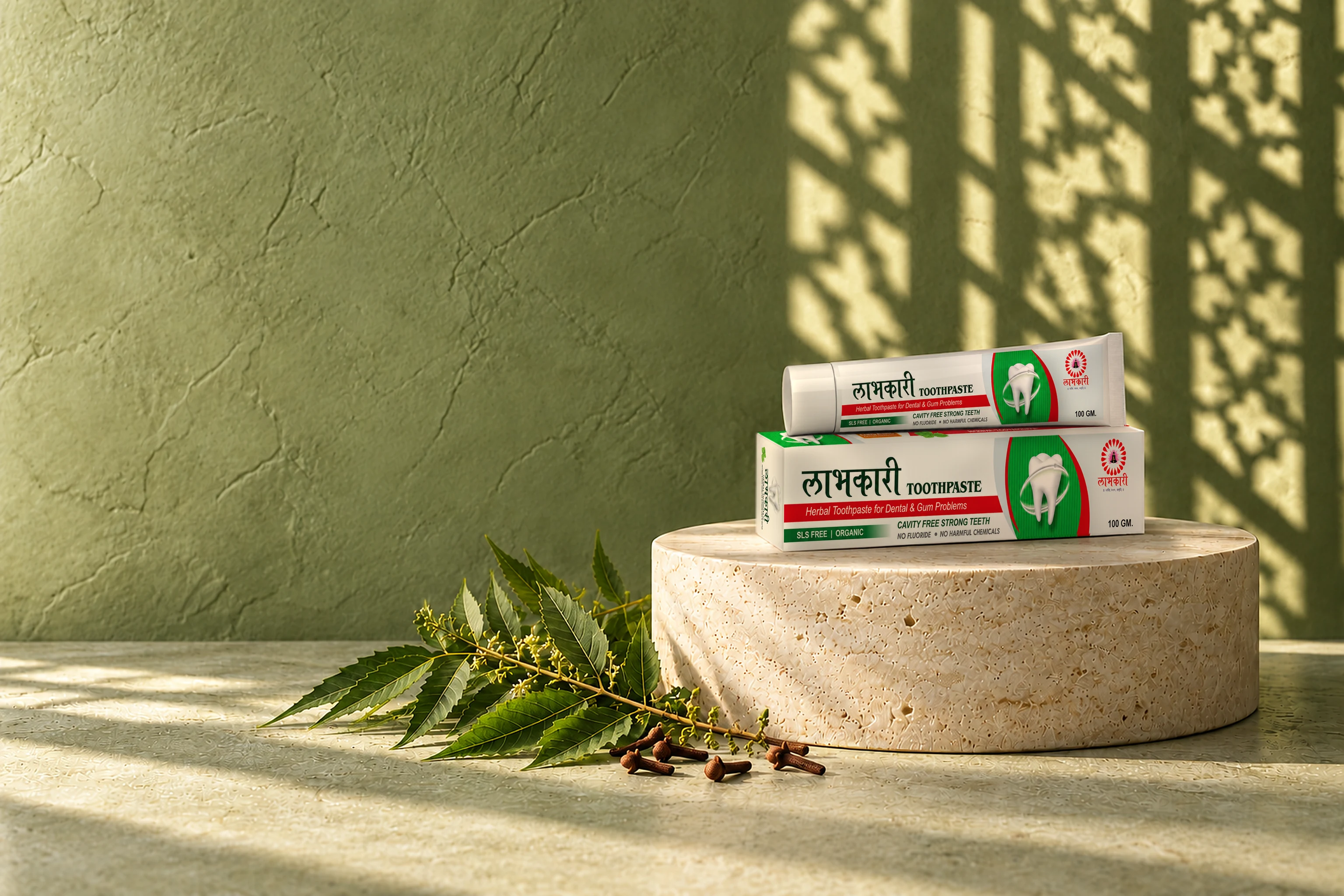
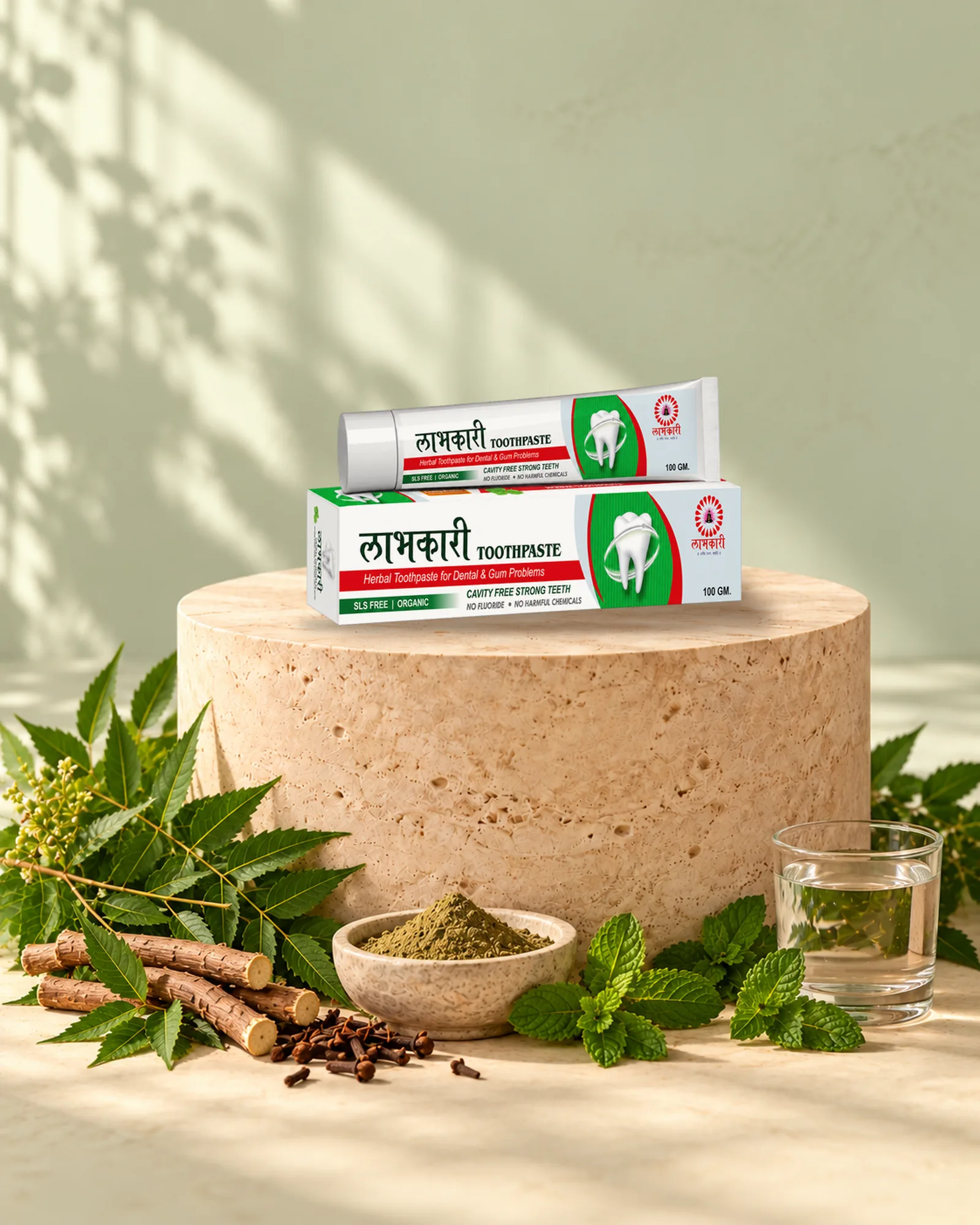
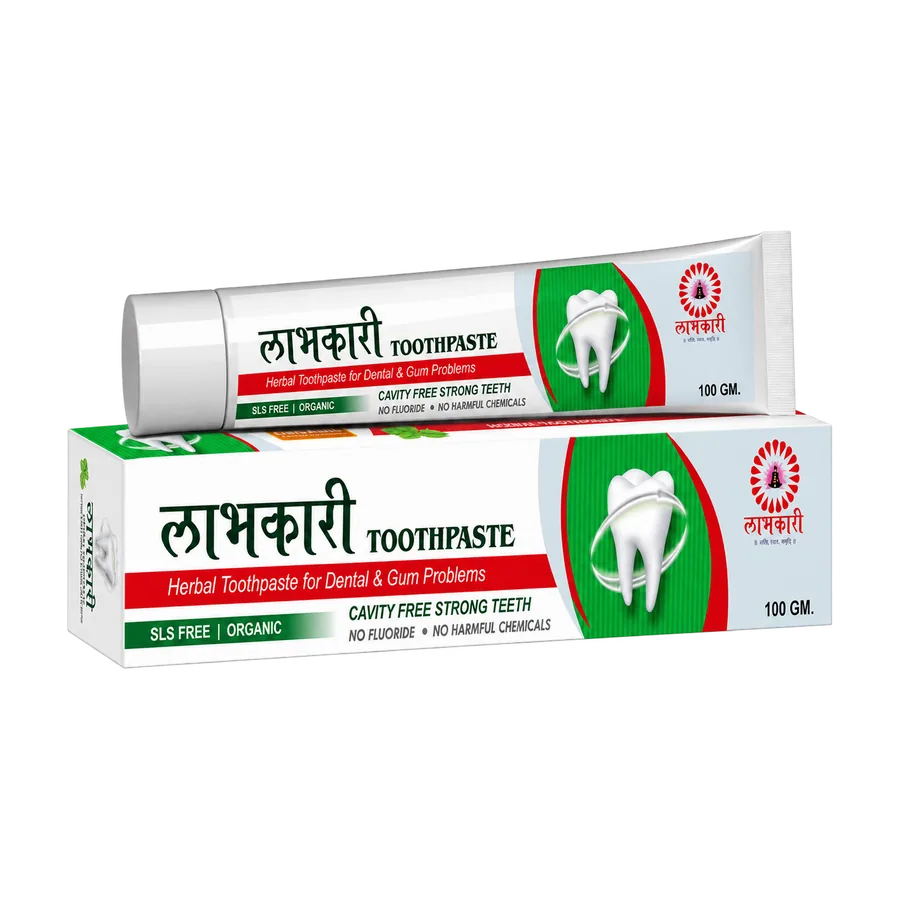
The classical day starts with the mouth: brush, scrape the tongue gently, then rinse. Our herbal toothpaste is made without SLS or fluoride.
Early morning, 6:30
A Rasayana like Chyawanprash is taken every morning over weeks, not as a quick fix, traditionally with warm milk. Take it as directed on the jar.
Before the bath, 7:00
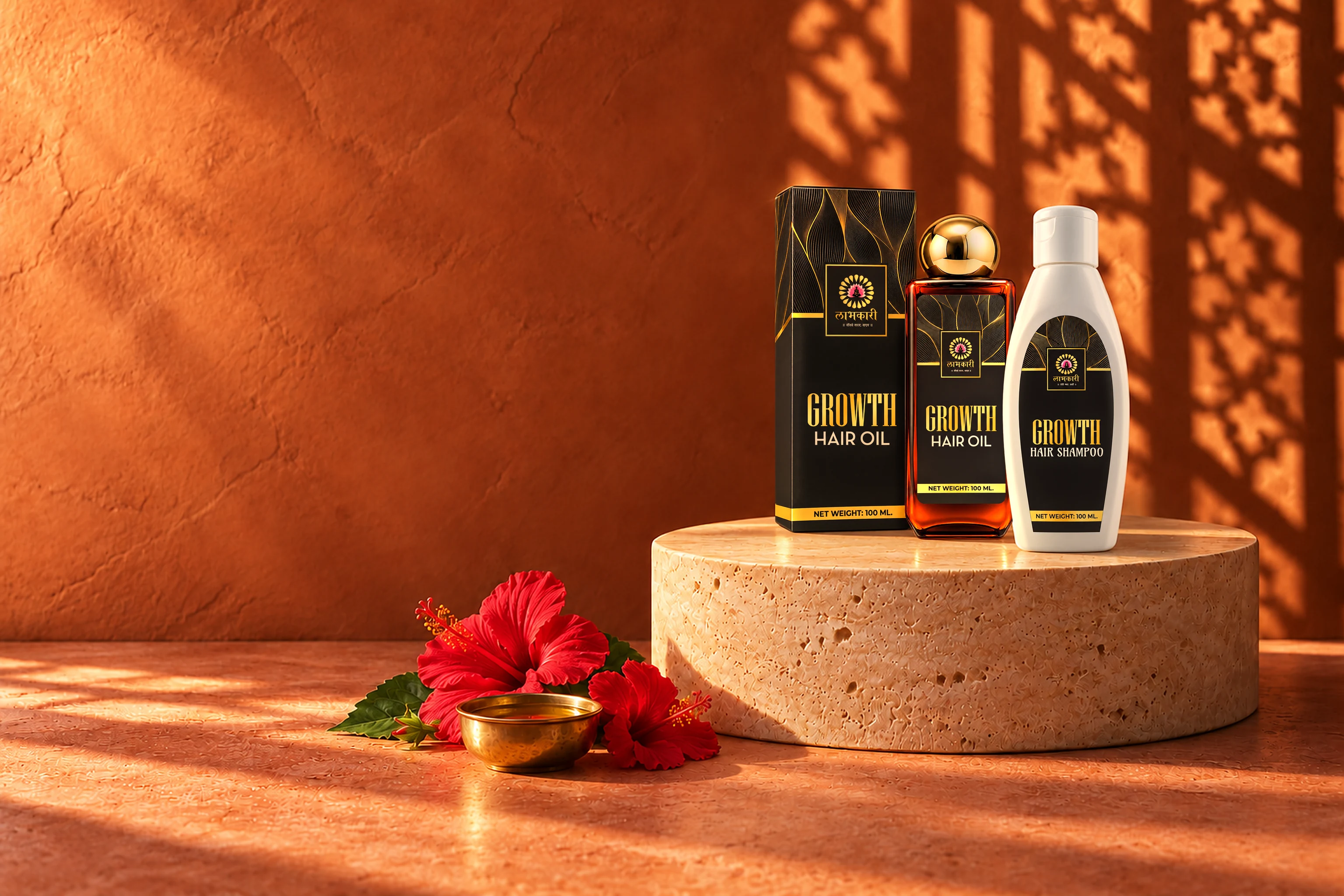
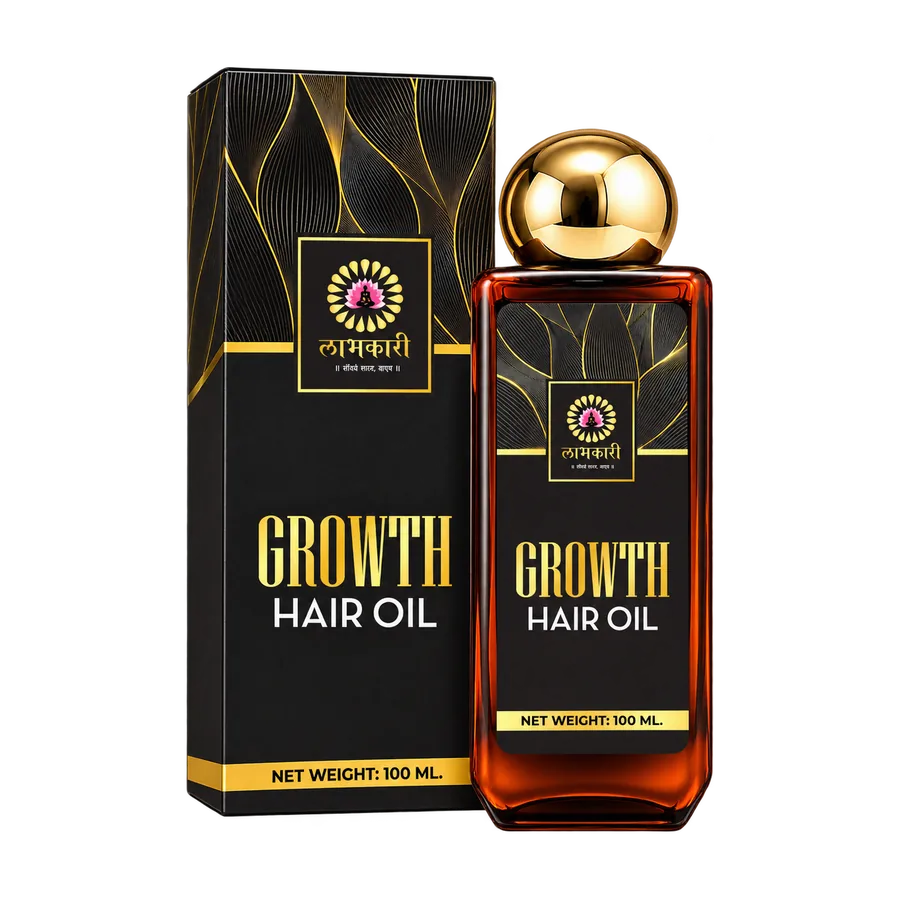
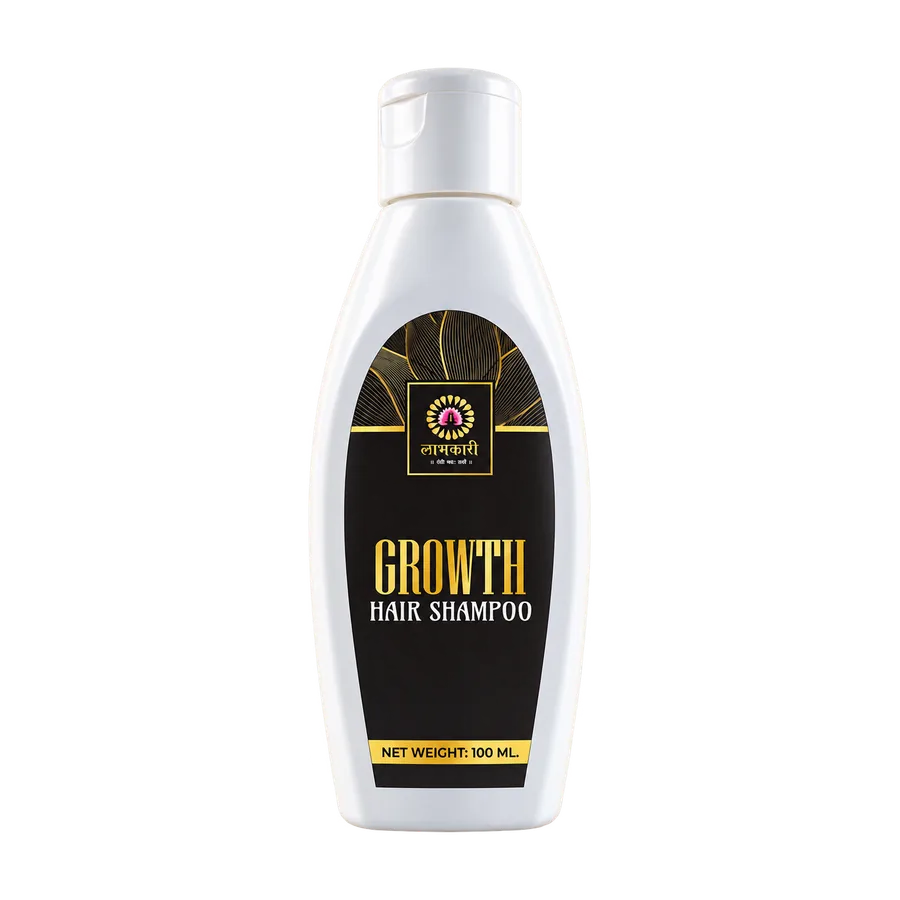
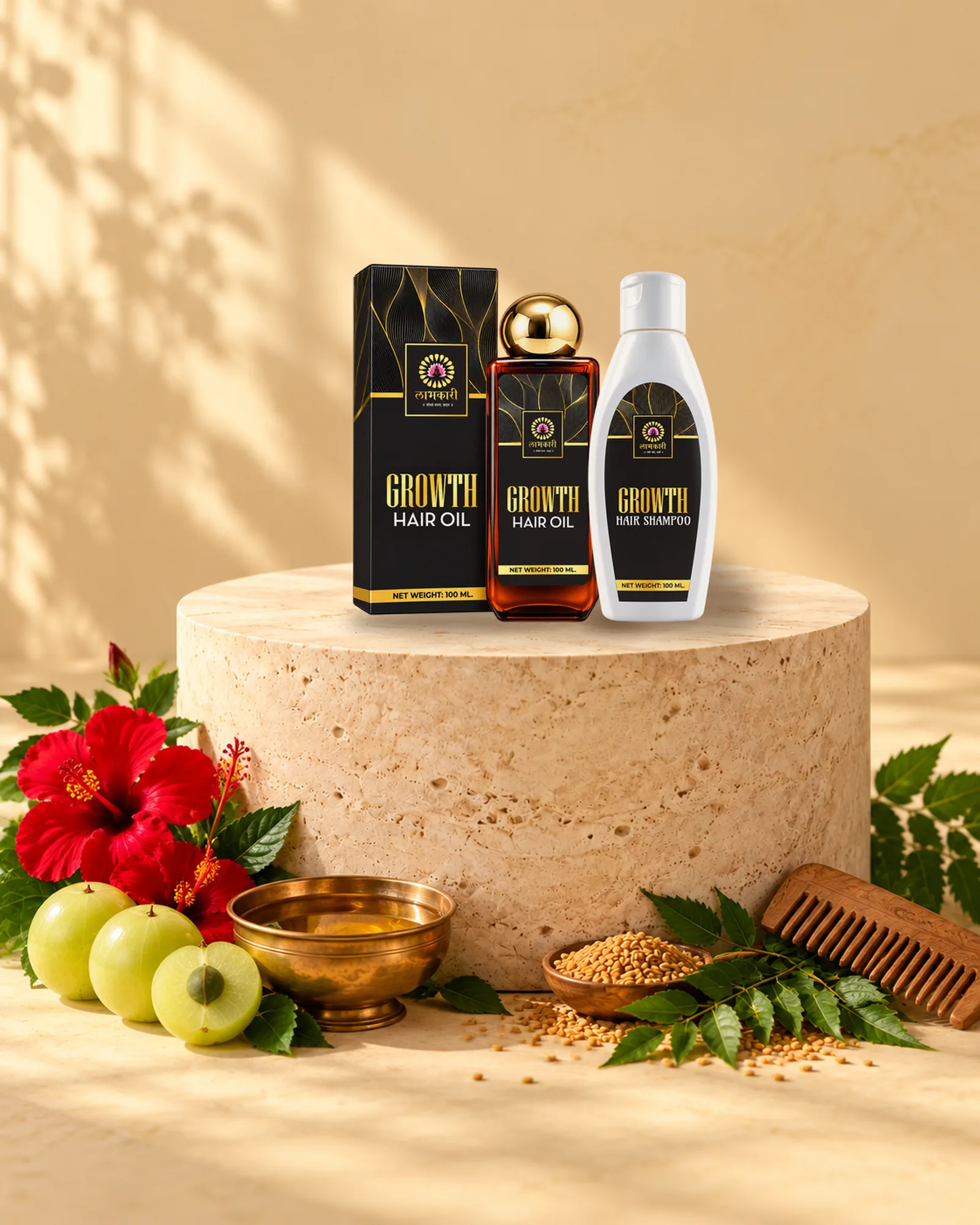
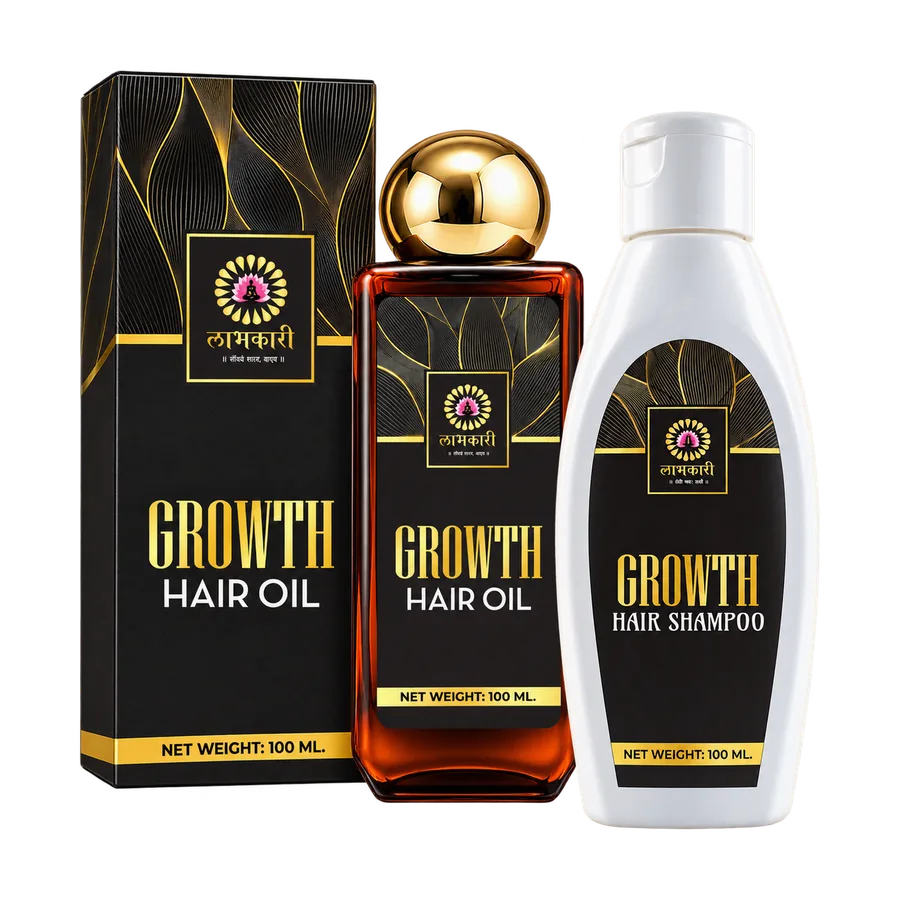
Abhyanga, oil massage before bathing, begins with the scalp. Work in Growth Hair Oil, leave it a while, then wash it out with Growth Hair Shampoo.
Night, 21:30
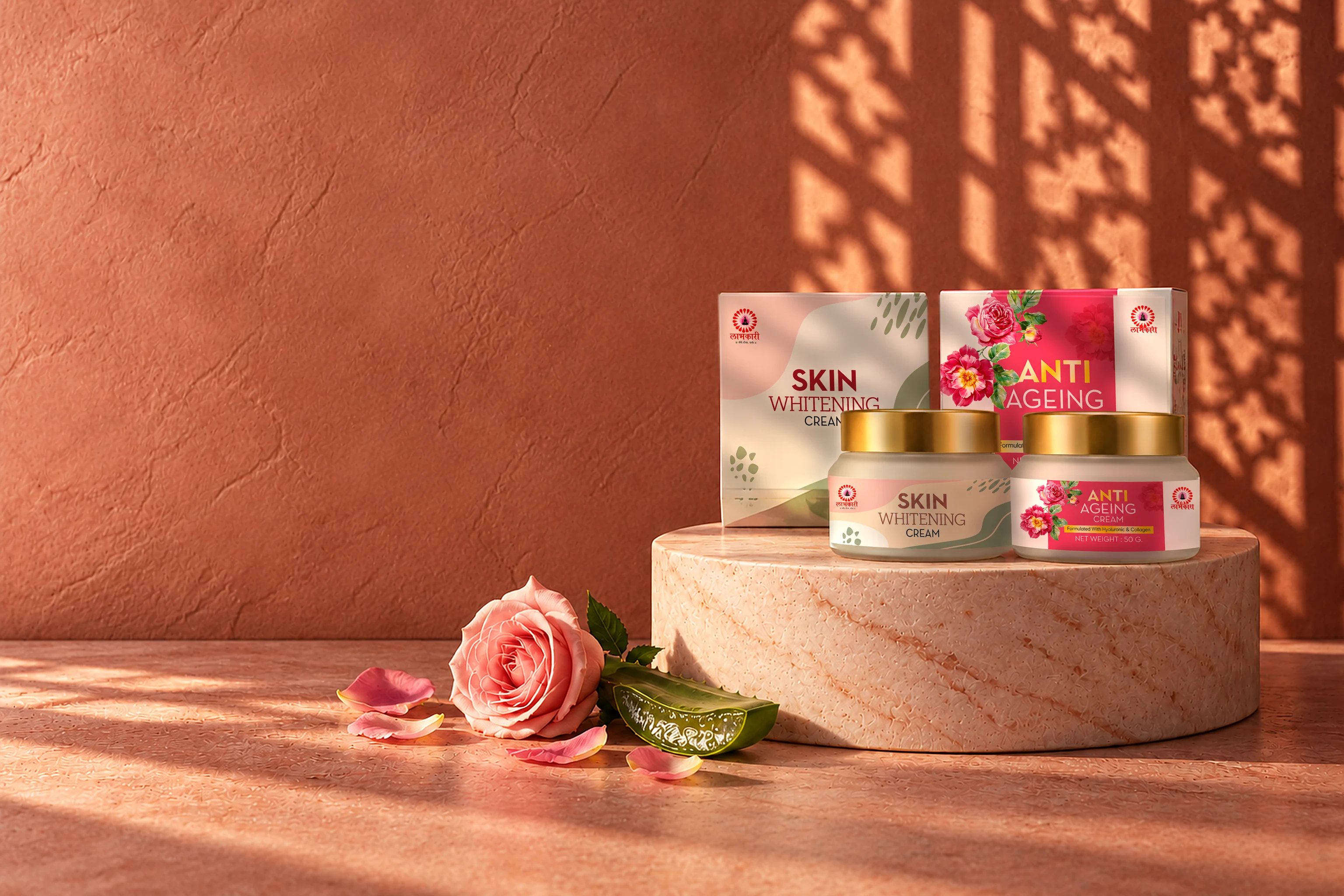
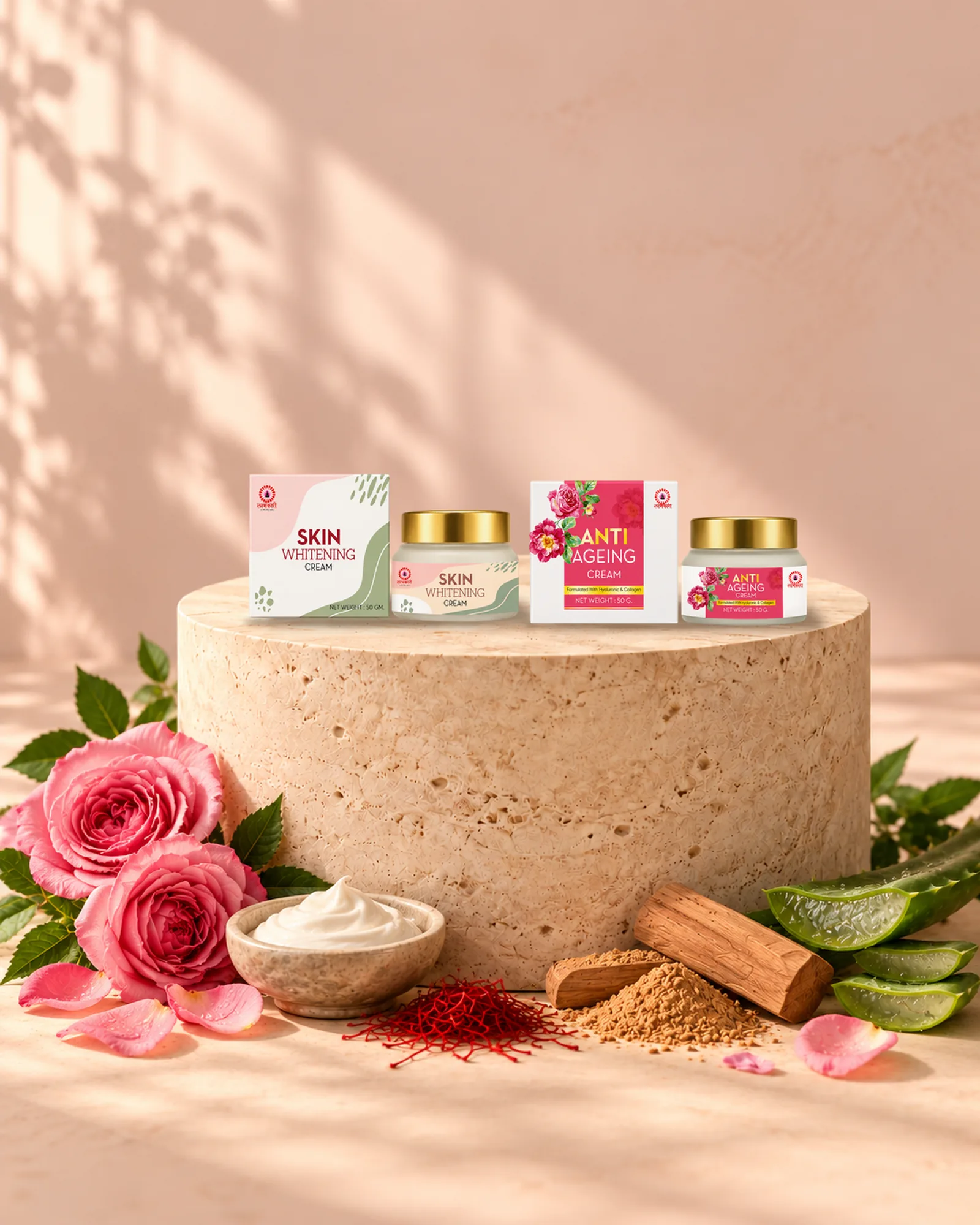
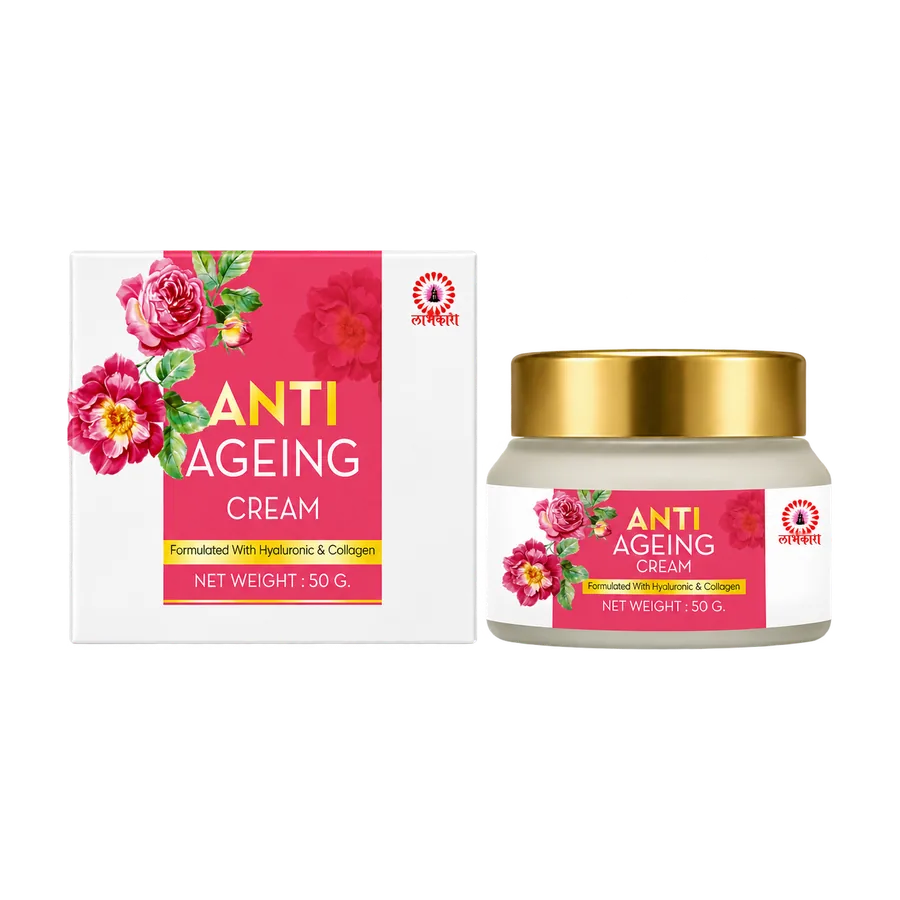
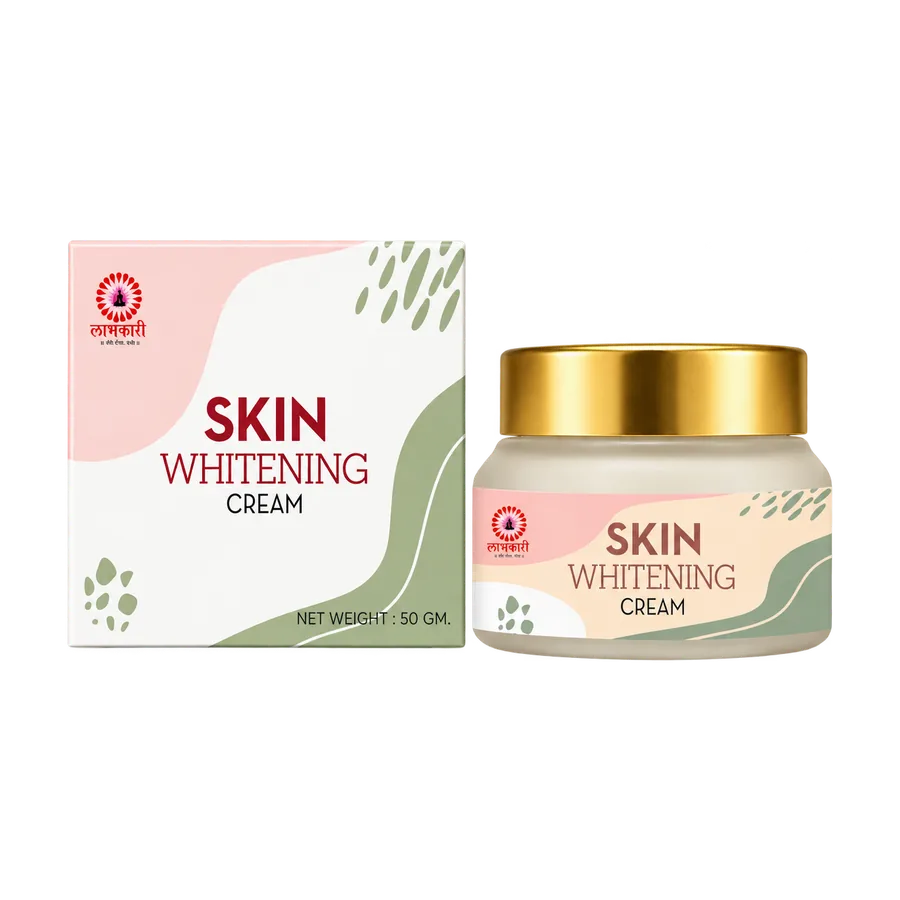
At night, after washing your face, a little cream on clean skin. Do a patch test the first time you use a new cream.
Bedtime, 22:00
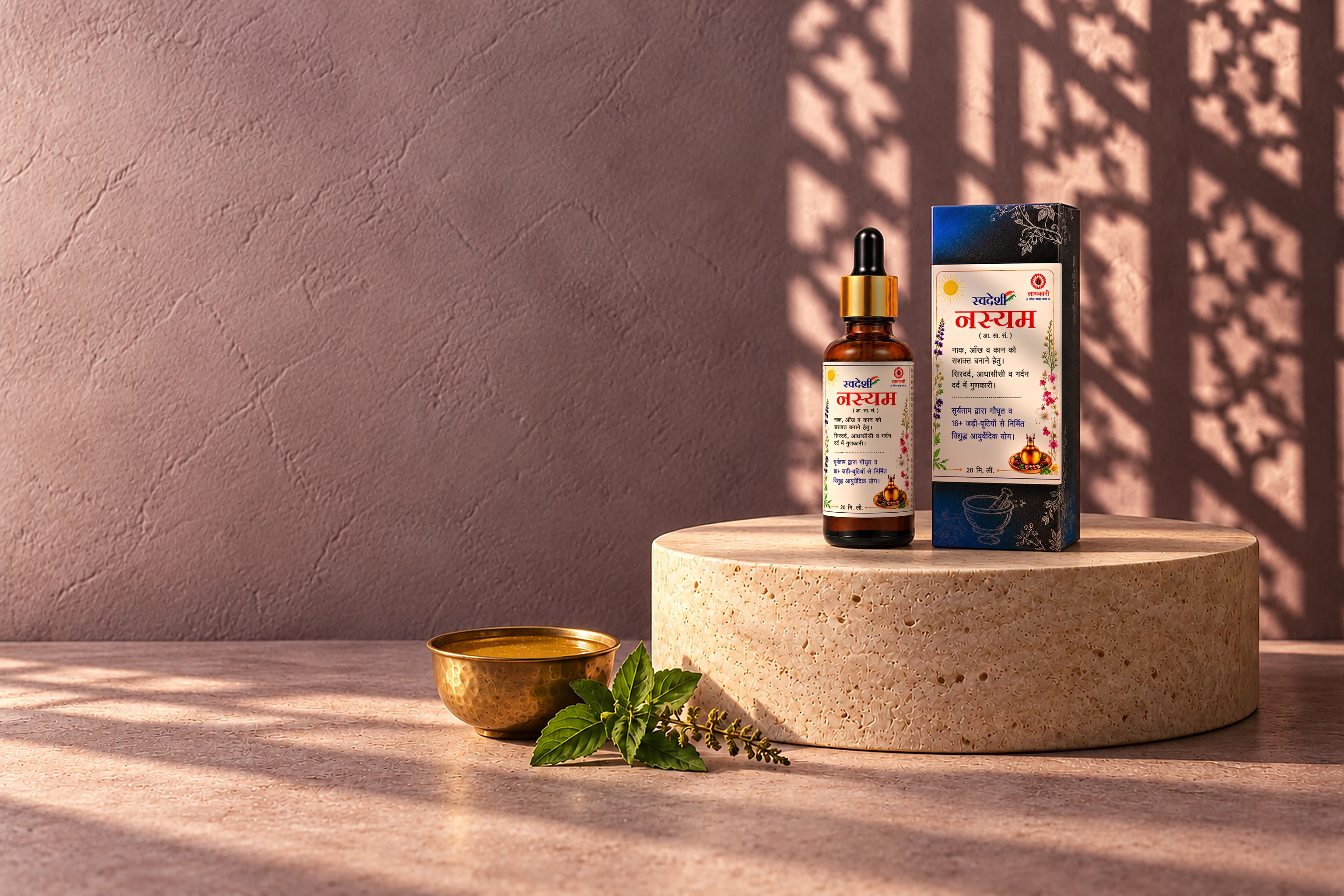
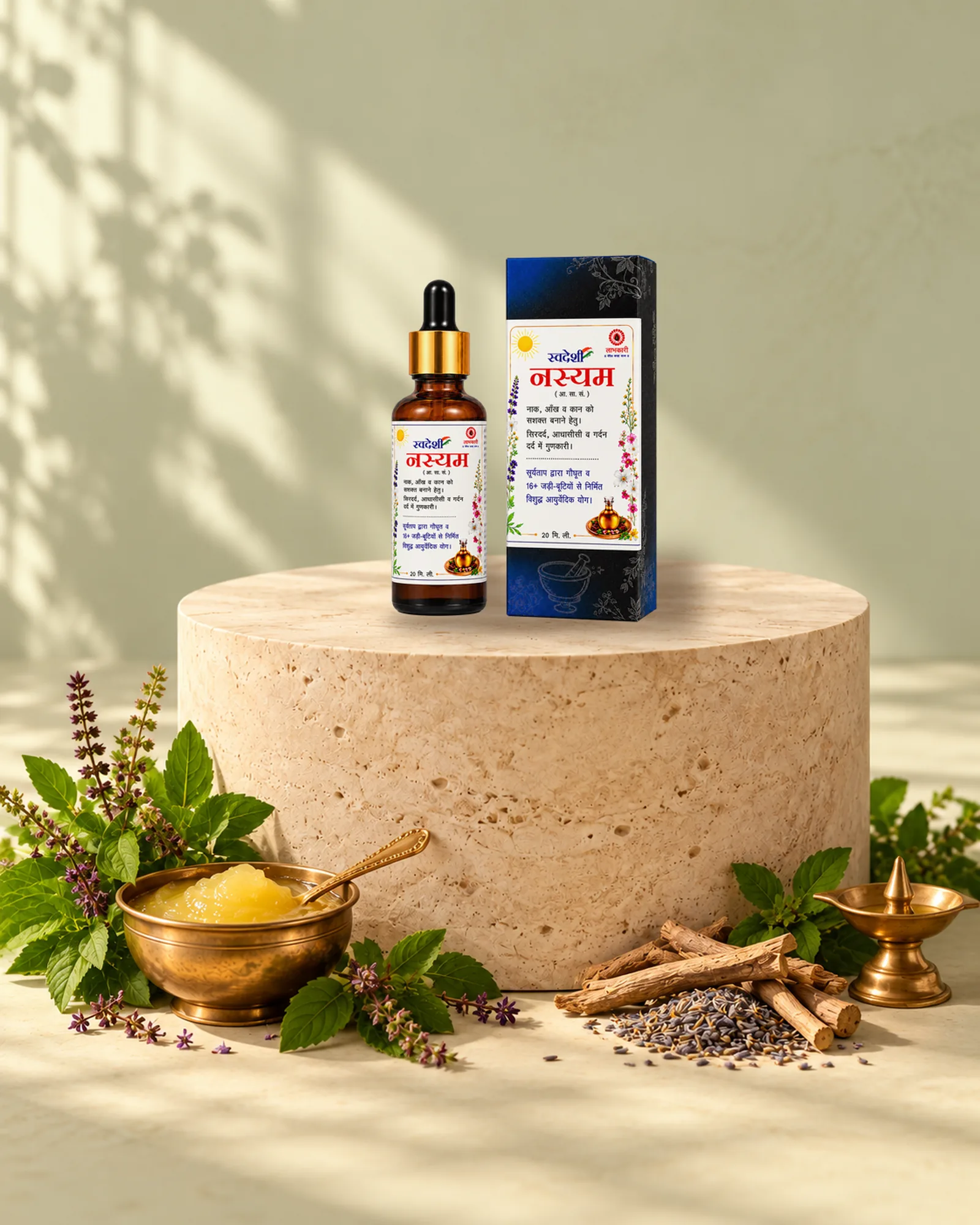
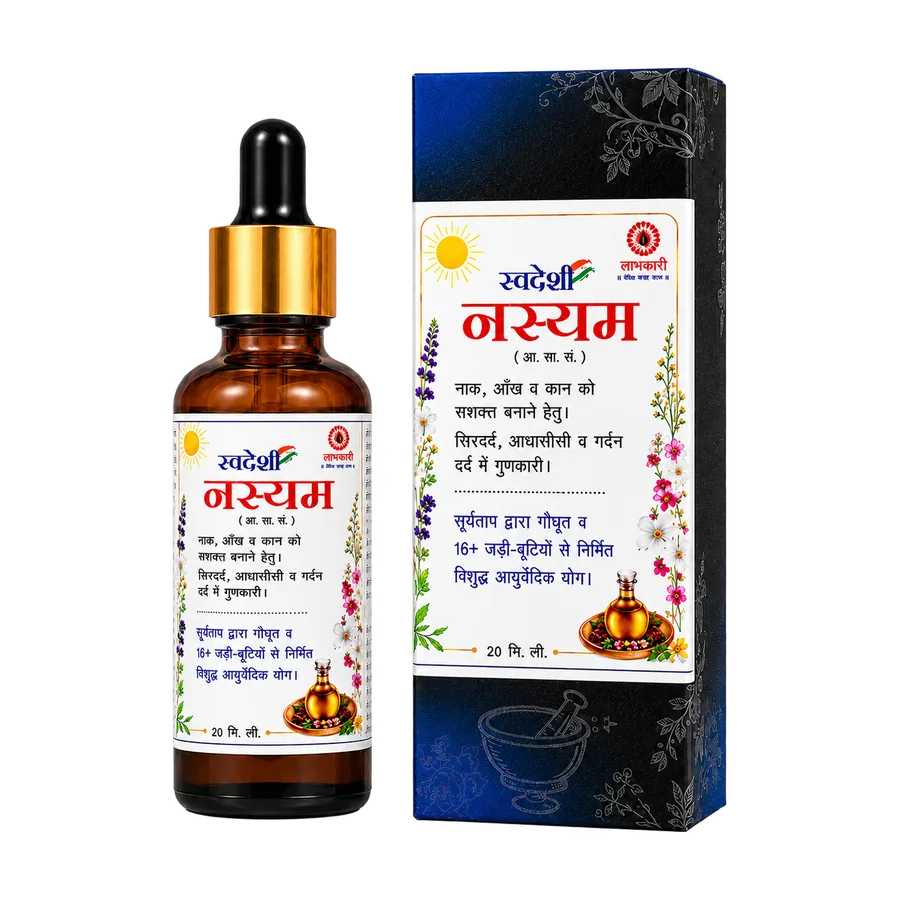
Nasya is the old practice of placing a few drops of ghee or oil in each nostril. Use Swadeshi Nasyam as directed on the box, and skip it if it doesn't suit you.
01 / 12
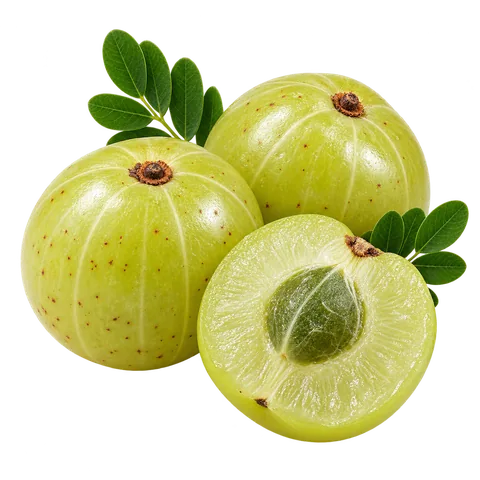
Phyllanthus emblica
A sour green fruit and one of the most valued ingredients in Ayurveda. It is the base of classical Chyawanprash.
On the label of
02 / 12
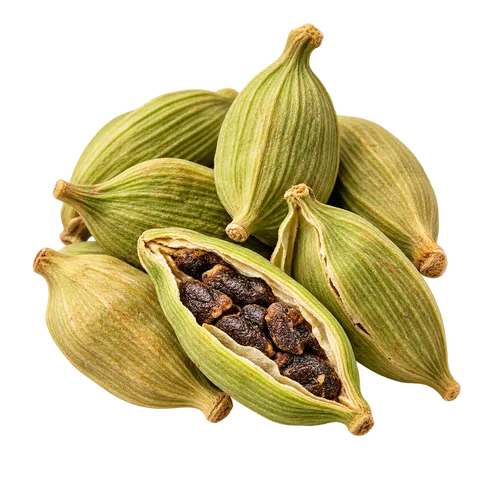
Elettaria cardamomum
Green cardamom. An aromatic spice used in Ayurvedic preparations for its flavour and fragrance.
On the label of
03 / 12
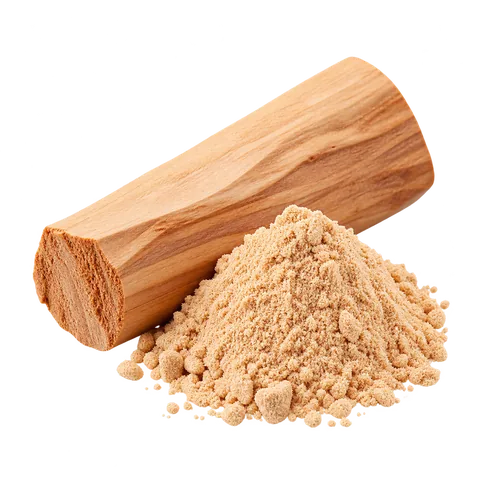
Santalum album
Fragrant sandalwood heartwood, described as cooling in Ayurveda.
On the label of
04 / 12
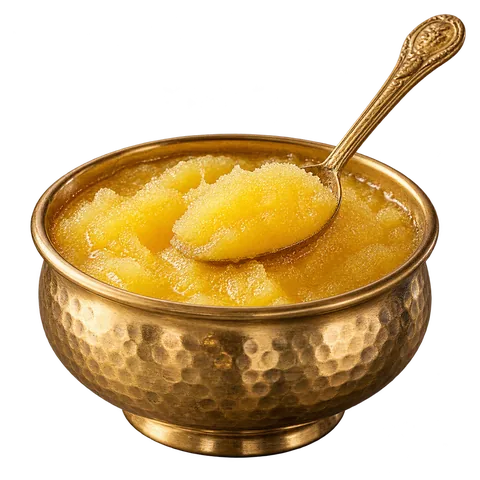
Clarified butter
Ghee is the traditional base for many classical preparations, including Nasya.
On the label of
05 / 12
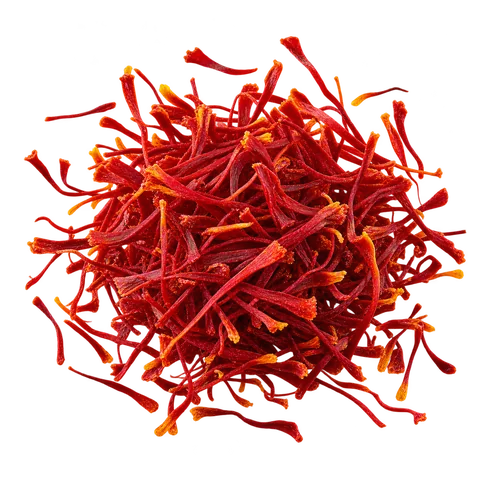
Crocus sativus
Saffron threads: the dried stigmas of the crocus flower, among the most precious spices in the world.
Read about Kesar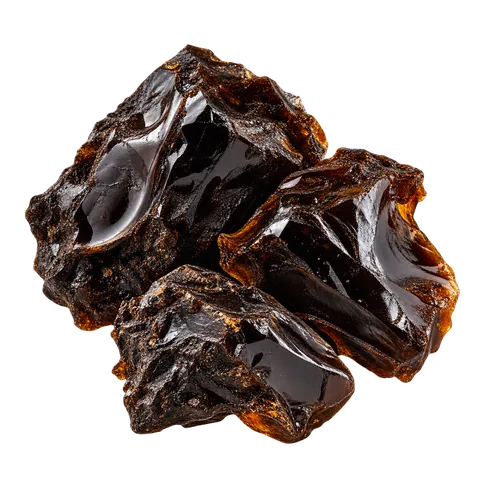
06 / 12
Mineral resin
A dark resin that seeps from high mountain rock and has long been used in Ayurveda.
Read about Shilajit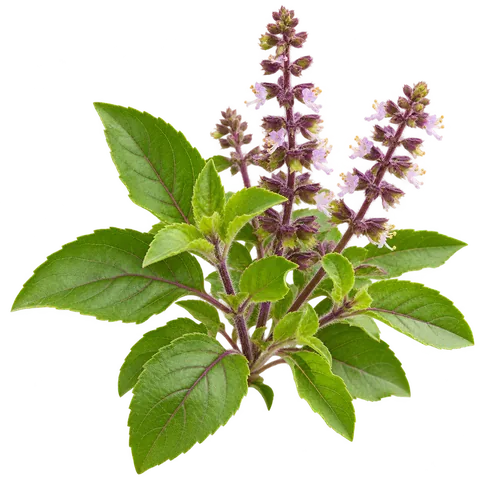
07 / 12
Ocimum tenuiflorum
Holy basil. Grown in courtyards across India and one of the best-known Ayurvedic herbs.
Read about Tulsi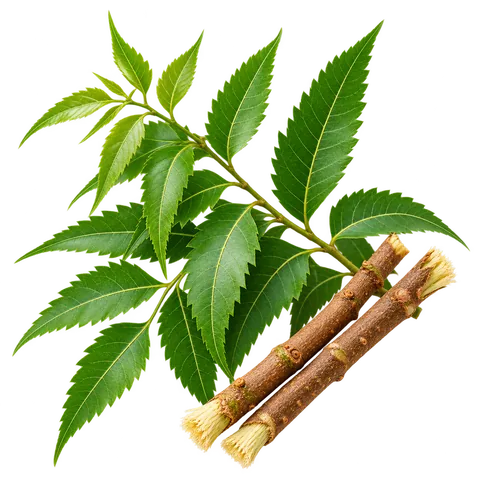
08 / 12
Azadirachta indica
Neem twigs (datun) have been chewed to clean teeth in India for centuries.
Read about Neem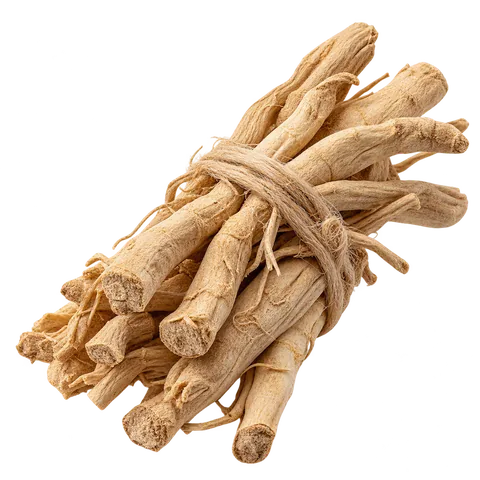
09 / 12
Withania somnifera
A root counted among the classical Rasayana herbs.
Read about Ashwagandha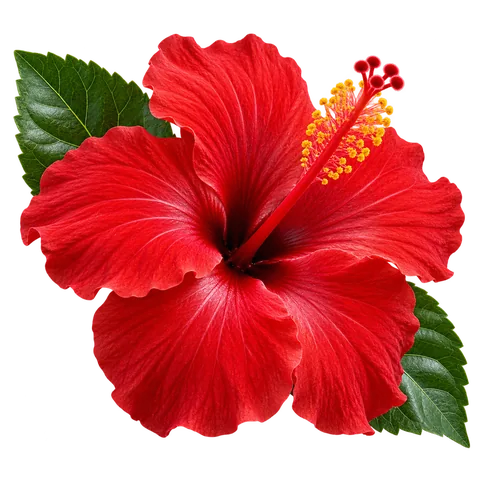
10 / 12
Hibiscus rosa-sinensis
Hibiscus flowers and leaves are a traditional ingredient in Indian hair care.
Read about Gudhal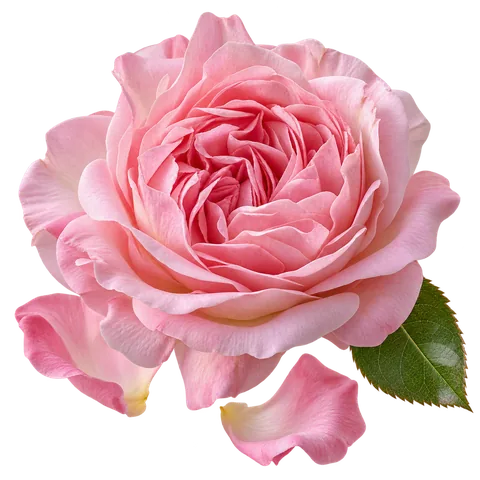
11 / 12
Rosa damascena
Damask rose. Rose water and petals are used throughout traditional Indian skin care.
Read about Gulab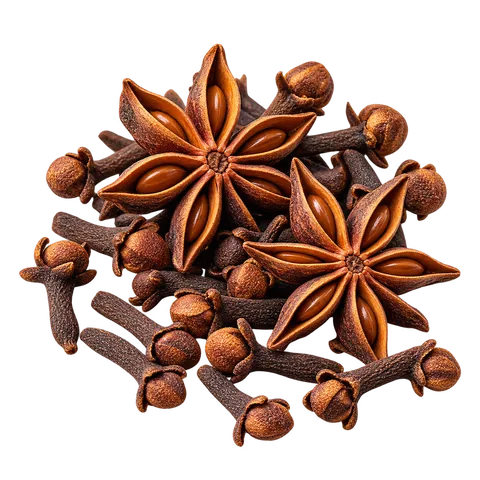
12 / 12
Syzygium aromaticum
Clove is a traditional spice in Indian oral care.
Read about Laung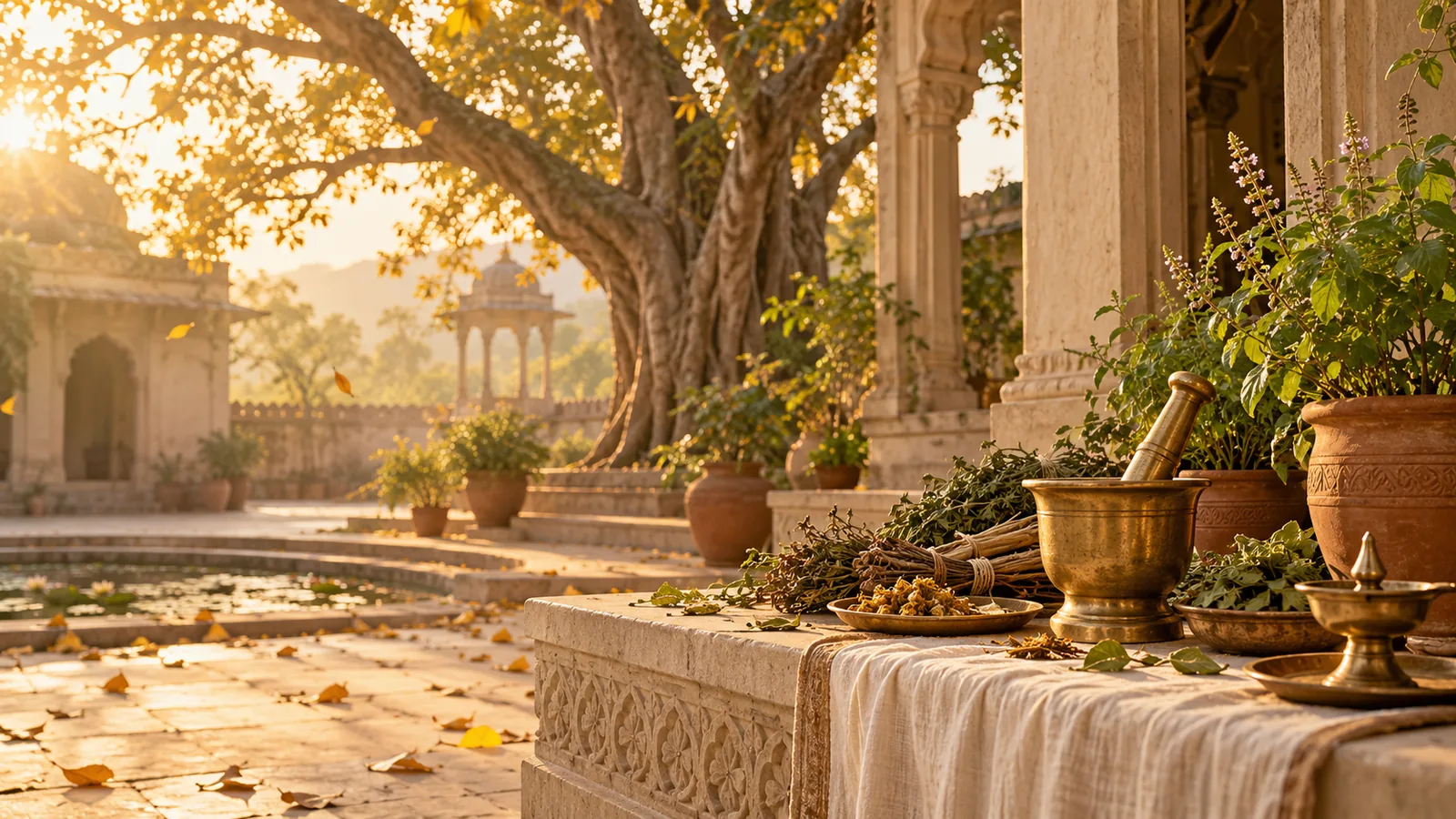
Labhkari Ayurveda is a small Ayurvedic wellness business in Katihar, Bihar. We start from classical preparations like Chyawanprash and Nasya, and we keep everyday care simple: oil for your hair, a cream for your skin, a paste for your teeth.
Our story